
Kanto, eastern Honshu
Tokyo
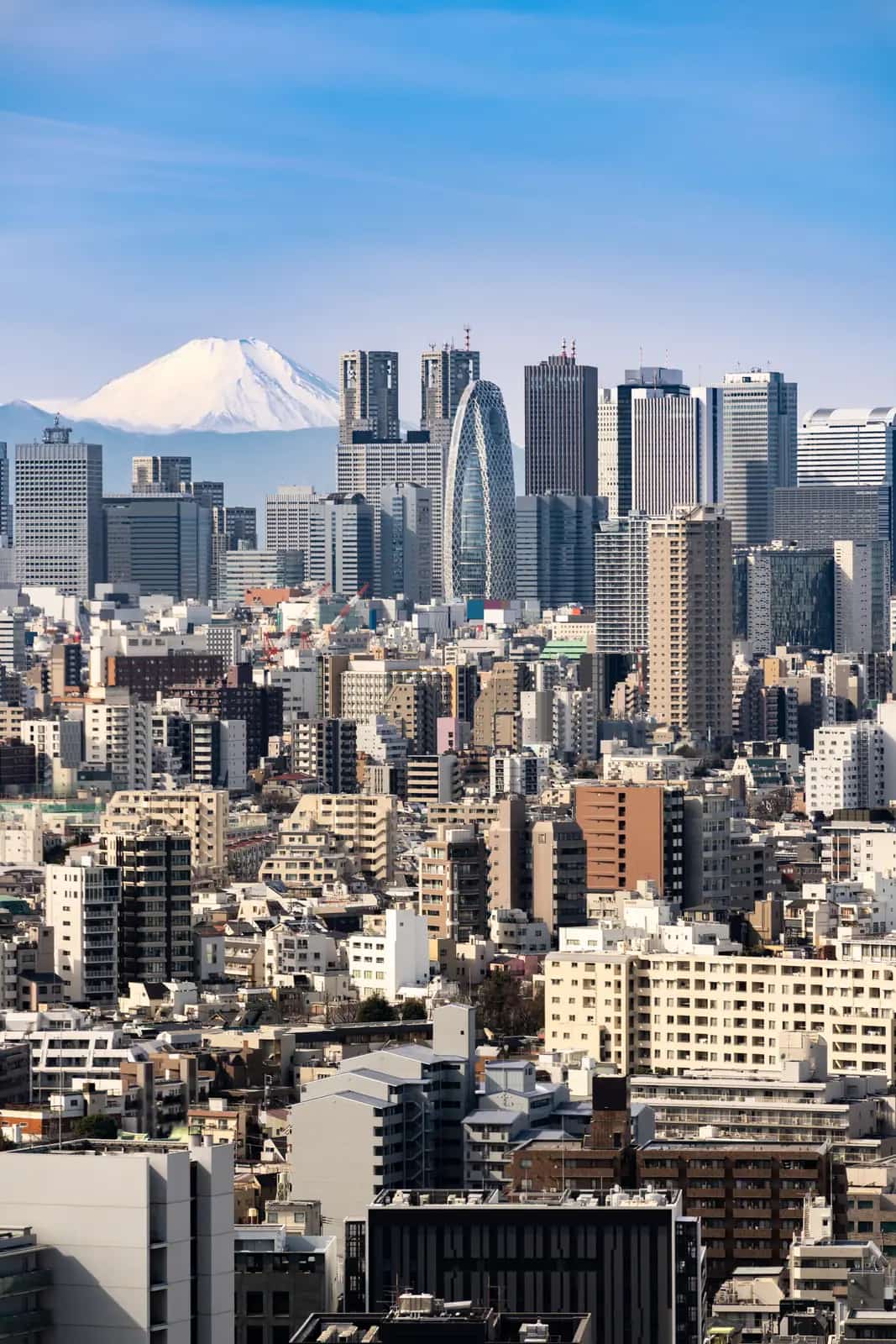
Tokyo gives creators contrast in one city: Senso-ji and the old streets of Asakusa, the Shibuya scramble, and night skylines, with Mt Fuji visible on clear winter days. Most hosted trips start here via Haneda or Narita. Drones are effectively off the table in the city, and tripods are restricted at busy sites.
Tokyo, Japan
What do creators film in Tokyo?
Most creators film the contrast between scale and detail: the Shibuya scramble and the Shinjuku skyline on one side, and quiet shrine paths, shopfronts and back streets on the other. Tokyo is big enough that a hosted stay works best when each day has one area and one idea rather than a list of landmarks.
- Asakusa: Senso-ji, the Kaminarimon gate and Nakamise-dori at opening time, before the shopping street fills, with rickshaws and old wooden shopfronts in the side lanes.
- Shibuya: the scramble from street level, with the crowd moving around you, and from above for the overhead shot. Evenings give you screens, headlights and wet pavements on rainy nights.
- Shinjuku: neon side streets around Omoide Yokocho and Kabukicho, and the skyline from the west side of the station.
- Slower Tokyo: Yanaka's temples and old houses, the forest approach to Meiji Jingu, and residential streets a few minutes from any big station, where everyday life carries a piece better than another skyline.
When is the best time to film in Tokyo?
Autumn and late winter give the most reliable filming weather, with clear air, soft light and, in winter, the best chance of seeing Mt Fuji from high points in the city. Cherry blossom, usually from late March into early April, is the most photogenic window and the most crowded: Ueno Park, the Meguro River and Chidorigafuchi fill early and stay full.
- June into July: the rainy season. Overcast light suits street work and reflections; plan cover for gear.
- July to September: hot and humid, with long evenings and summer festivals. Typhoons can disrupt travel from late summer into autumn, so keep a flexible day.
- Late November to early December: ginkgo and maple colour in the parks and along avenues such as Icho Namiki in Jingu Gaien.
- New Year: many businesses close for a few days and shrines are very busy with first visits, which films well if you keep your distance from worshippers.
What does a hosted day in Tokyo look like?
A hosted Tokyo day usually has one guided or planned activity, a long break, and an evening you plan yourself. A typical pattern is an early start in Asakusa while the light is low and the streets are empty, a walk through to Shibuya by subway during the day, and the scramble at dusk. Your itinerary in the creator portal lists pick-up times and contacts; anything outside the agreed activity is yours to organise.
Getting around Tokyo on a hosted trip
Your airport transfer from Haneda or Narita is by private licensed vehicle; everything else in the city runs on the trains. Activities include the transport that is part of them. For the rest, an IC card such as Suica or PASMO works on trains, subways, buses and in convenience stores. Train fares outside an included activity are yours, and Explera does not provide rail passes.
- Rush hour on the main lines is roughly early morning to mid-morning and again in the early evening. Avoid moving with a full kit bag then.
- Large stations such as Shinjuku and Tokyo have many exits. Agree a numbered exit as a meeting point, not just the station name.
- Coin lockers at stations fill early on busy days; travel light on shooting days.
What are the filming rules in Tokyo?
Assume no drone, limited tripods and a high expectation of privacy. Flying over densely populated areas in Japan generally needs permission under national aviation rules, and many parks ban drones outright, so check current drone rules for the specific site and date before you pack one.
- Station staff usually stop tripod and stand use on platforms and concourses, and observation decks generally do not allow them. A small gimbal or handheld rig is the practical choice.
- On trains, keep calls and voiceover off and avoid filming other passengers' faces.
- Many small bars in areas such as Golden Gai post no-photography signs. Ask before you film inside, and respect a no.
- At Senso-ji and Meiji Jingu, film the approach and the grounds, not people praying. Interiors of halls are often off-limits.
- Blur faces of people who have not agreed to appear. This matters more in Japan than in many other markets.
How does Tokyo fit a multi-stop trip?
Tokyo is the natural first stop for most hosted Japan trips, because flights land here and the Fuji area and Hakone are both within reach for a day or a short stay. A common route runs Tokyo, then Mt Fuji and Lake Kawaguchi or Hakone, then west by shinkansen to Kyoto. How many stops your trip can hold depends on your tier's nights; the programme page explains the tiers, and the Japan destinations page compares the bases.
Ready to apply for Tokyo?
The application saves as you go, and every applicant hears back within 5 business days.
Updated